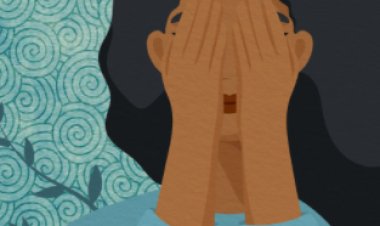
HOW TO COPE WHEN A LOVED ONE DIES FROM SUICIDE
 Mental Health Vibe

Suicide is the fourth leading cause of death among 15-29 year olds [1] and a major public health concern because 77% of global suicide deaths occur in low- and middle-income countries, such as Kenya [1]. The World Health Organization estimates that Kenya has a suicide rate of 11 per 100,000 population, which translates to about 4 suicide deaths per day [1]. However, Kenya has a scarcity of data on suicide.
Mental illnesses are often associated with suicidal behavior. The prevalence of common mental illnesses in Kenya, which include depression and anxiety disorders, is about 10.3%. Additionally, 42% of those attending general health facilities in Kenya exhibit symptoms of severe depression. The lifetime prevalence of suicidal thoughts associated with depression is estimated at 7.9%, while for other mental illnesses it is estimated at 5-8%.
When a loved one dies by suicide, it is common for those left behind to experience feelings of anger, shock, guilt, depression, abandonment, shame, and suicidal thoughts.
Healthier Ways to Cope with the Loss of Someone by Suicide
- Allow yourself to feel and express your emotions – Avoiding the emotions that come with this loss will only deepen and delay your healing journey. The sooner you allow yourself to feel these emotions, the sooner you will begin to heal.
- Keep a journal – Writing down difficult feelings and thoughts provides a valuable way to release your emotions. You can also write a letter to the deceased.
- Take care of yourself – As difficult as it can be, self-care is crucial. Ensure that you stay fit, eat a balanced diet, get enough sleep, and spend time in nature. Turning to drugs and alcohol to numb the grief will not alleviate the pain and may lead to long-term problems such as addiction.
- Seek out supportive friends and family – During this challenging time, it is helpful to confide in people you trust who will listen empathetically.
- Join a bereavement support group – Participating in a group for those who have lost a loved one provides invaluable support. You will meet others who have experienced similar losses and can openly share your feelings without fear of judgment.
- Talk to a therapist or grief counselor – Professional support from a therapist or grief counselor can be very beneficial in helping you navigate your grief.
Source:
- World Health Organization. (2024). Suicide worldwide in 2019: Global health estimates. Retrieved from https://www.who.int/publications/i/item/9789240067386.
Lots of Love,
Ochillo Marylyn