DOES MENTAL HEALTH STIGMA STILL EXIST?
 Mental Health Vibe
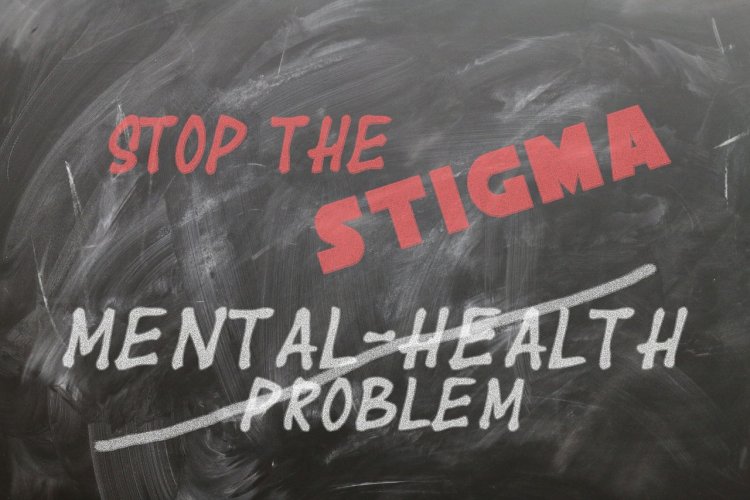
Mental health stigma refers to the negative beliefs people hold about those with mental illness, which often lead to social disapproval, disgrace, or social discrediting of individuals with a mental health problem. Mental health stigma is a persistent problem, especially among young people who are scared to seek mental health care services because of fear of being stigmatized and shamed by the communities they come from. As a result, there is a significant delay in diagnosis, increased absenteeism at school and work, and increased healthcare expenditure due to untreated mental health conditions [1]. Furthermore, mental health stigma has been reported to lead to premature mortality. According to WHO [2], people with severe mental health conditions die 10 to 20 years earlier than the general population.
Types of Mental Health Stigma
The four main types of stigma associated with mental illness are:
- Internalized stigma – These are negative attitudes of an individual to his/her own mental illness. It is also referred to as self-perceived stigma.
- Public stigma – These are the negative attitudes held by the general public towards people with mental illness and are often based on fear, misconceptions, and prejudice.
- Perceived stigma -These are individual’s beliefs about the attitudes of others towards mental illness.
- Professional stigma -This is when healthcare workers hold stigmatizing attitudes toward their patients, and are often based on fear or misunderstandings of the causes and symptoms of mental illness, or when healthcare workers themselves experience stigma from the public or other healthcare professionals because of their work and connection with stigmatized individuals [3].
Impact of Stigma on Mental Health
Mental health stigma is due to a lack of knowledge and understanding from others. People who experience stigma are more likely to experience:
- Delayed treatment which increases mortality
- Isolation, and social rejection
- Reluctance to seek help and treatment
- Increased feelings of self-doubt and shame
- Disability, poor quality of life and increased socioeconomic burden
- Worse psychological well-being
- Bullying, harassment and/or violence
Mental Health Perception and Stigma
Different cultures around the world perceive mental health illness differently [4]. These perceptions include:
- Mental illness is often seen as failure of self-control or as a sign of personal weakness or a lack of willpower.
- Mental illness is attributed to supernatural or spiritual causes.
- Mental illness being viewed as a form of divine punishment.
- Misconceptions about danger or unpredictability of someone with a mental illness.
Tips to Combat Mental Health Stigma
According to WHO, approximately 970 million or 1 in every 8 people worldwide were living with a mental disorder in 2019 [5]. Therefore, if you have a mental illness, always remember that you are not alone. Overcoming stigma is not easy but we have some tips that you can take to deal with it.
- Join a support group – Being part of a mental health support group is very important. This is because in such a group, you will interact with people who have the same experiences as you and it is a great place to share your experiences and struggles, as well as get encouragement and tips. Talking to other people with a similar experience greatly improves your overall well-being.
- Educate and Speak out – When you educate the people in your life about mental illness, it helps to demystify the myths around mental health.
- Seek social support - Isolating yourself from your social circle is not the best way to deal with a mental illness. Instead, it will make it difficult to cope. Always try your best to spend time with the people that love, care and support you.
- Find mental health resources - Always try to get support where possible. This can be through mental health website such as this one, Very Well Mind and others that offer educational resources that you can use.
- Seek treatment – Seeking treatment is yet another great way to better the quality of your life. Stigma tends to make people not to seek help but please do as getting the treatment you need will greatly help reduce your symptoms. Besides, getting help can also help you learn to identify and change the negative thoughts that play a role in mental health stigma.
Article Sources
- Altevogt BM, Forstag EH, Norris SP, editors. Providing sustainable mental and neurological health care in Ghana and Kenya: workshop summary. National Academies Press; 2016 Feb 25.
- World Health Organization. Mental Health. 2024. Available from: https://www.who.int/health-topics/mental-health#tab=tab_2 . Accessed on April 16, 2024.
- Subu, M.A., Wati, D.F., Netrida, N. et al. Types of stigma experienced by patients with mental illness and mental health nurses in Indonesia: a qualitative content analysis. Int J Ment Health Syst 15, 77 (2021). https://doi.org/10.1186/s13033-021-00502-x
- Ahad AA, Sanchez-Gonzalez M, Junquera P. Understanding and Addressing Mental Health Stigma Across Cultures for Improving Psychiatric Care: A Narrative Review. Cureus. 2023 May 26;15(5):e39549. doi: 10.7759/cureus.39549. PMID: 37250612; PMCID: PMC10220277.
- World Health Organization. Mental Disorders. 2022. Available from: https://www.who.int/news-room/fact-sheets/detail/mental-disorders . Accessed on April 12, 2024.
With Lots of Love
Marylyn Ochillo