CAN SPORTS IMPROVE YOUR MENTAL HEALTH?
 Mental Health Vibe
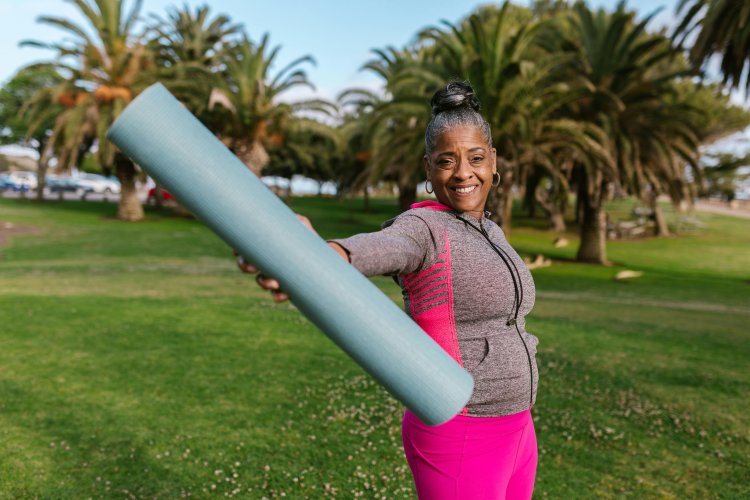
Every move and drop of sweat counts when it comes to your mental health and well-being.
Participating in sports is strongly linked to better overall mental health, improved mood, higher life satisfaction, increased self-esteem, and more frequent laughter [1,2,3]. Research shows that engaging in physical activity can help protect against depression, anxiety, and stress, while also reducing depressive symptoms over a six-month period [4].
Benefits of Sports include:
- Improves your mood - Engaging in sports allows you to focus on the task at hand, which helps you momentarily set aside your worries. This mental break helps clear your mind and calm your thoughts, leading to an improved mood.
- Helps manage stress –Sports are a great way to manage stress. Exercise releases endorphins and other brain chemicals that relieve stress and reduce pain. Just 30 minutes of physical activity each day can make you feel calmer and significantly improve your overall well-being.
- Boosts concentration - Regular physical activity keeps your cognitive functions sharp. Sports help maintain key mental skills such as problem-solving, good judgment, and memory, which are important as you age.
- Improves sleep –Sports can help improve the quality of your sleep. By increasing physical activity, you’ll fall asleep faster and enjoy deeper rest. A good night’s sleep can enhance your mental outlook and boost your mood the following day.
- Boosts self-confidence –Regular participation in sports helps build self-esteem and confidence. As you develop skills, strength, and stamina, your self-image improves. The sense of control and accomplishment that comes from being active also leads to greater self-assurance.
Sports not only keep you physically fit but are also a powerful tool for enhancing your mental health. By incorporating physical activity into your routine, you can experience significant benefits that improve both your mind and body.
Sources
- Doré I, O'Loughlin JL, Beauchamp G, Martineau M, Fournier L. Volume and social context of physical activity in association with mental health, anxiety and depression among youth. Prev Med. 2016;91:344–350. doi: 10.1016/j.ypmed.2016.09.006.
- Eime R, Harvey J, Payne W. Dose-response of women's health-related quality of life (HRQoL) and life satisfaction to physical activity. J Phys Act Health. 2014;11(2):330–338. doi: 10.1123/jpah.2012-0073.
- Tsuji T, Kanamori S, Saito M, Watanabe R, Miyaguni Y, Kondo K. Specific types of sports and exercise group participation and socio-psychological health in older people. J Sports Sci. 2020;38(4):422–429. doi: 10.1080/02640414.2019.1705541.
- Brunet J, Sabiston CM, Chaiton M, Barnett TA, O'Loughlin E, Low NC, et al. The association between past and current physical activity and depressive symptoms in young adults: a 10-year prospective study. Ann Epidemiol. 2013;23(1):25–30. doi: 10.1016/j.annepidem.2012.10.006.
Lots of Love
Ochillo Marylyn