6 EFFECTIVE STRATEGIES TO RELIEVE STRESS
Daily stress relief strategies
 Mental Health Vibe
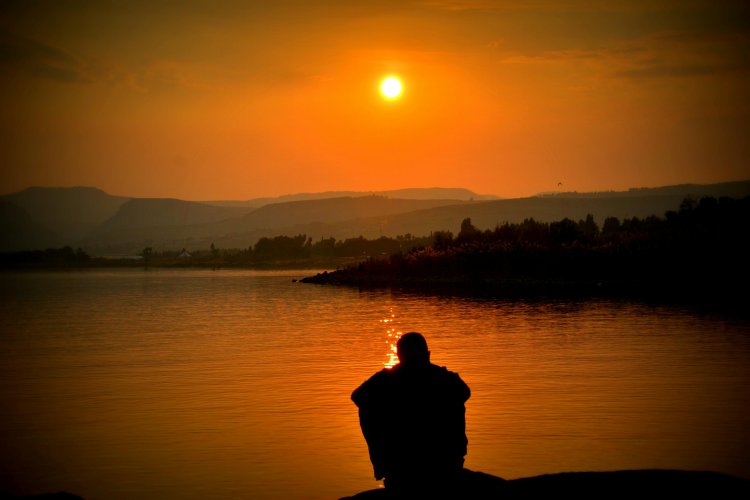
According to the World Health Organization, stress is a state of worry caused by a difficult situation or experience [1]. Stress is a natural human response that prompts us to address challenges and threats in our lives. Everyone will experience stress to some degree in their life. Our overall well-being depends on how we respond to the stress we experience in life [1].
Too much stress can cause physical and mental health problems. Therefore it is key that we learn how to cope with stress to help us feel less overwhelmed and to support our physical and mental well-being. The most common signs of stress include:
- Sleep problems
- Fatigue
- Blurred eyesight or sore eyes
- Difficulty breathing
- Feeling dizzy sick or fainting
- Developing an itchy skin or rashes
- Headaches and muscle aches
- Changes to your menstrual cycle
- Sweating
- Chest pains and high blood pressure
- Panic attacks
- Existing physical health problems getting worse
- Sudden weight gain or weight loss
Stressful situations can also cause mental health conditions such as anxiety and depression. Strategies that can help you to relieve stress include:
- Exercising regularly - Regular exercise such as walking or intense workout that are done daily can help to reduce stress.
- Eating healthy – Having a healthy and balanced diet is important as it can help reduce stress in our lives. What we eat and drink can affect our health. Therefore, it is important to eat a balanced diet and drinking enough water daily.
- Keeping a daily routine - Having a regular daily schedule can help one to use their time efficiently and feel more in control. Therefore, when you set time for family, exercise, regular meals, daily chores and recreational activities can reduce stress.
- Connecting with others - The connections we make with family, friends and, loved ones can lead to decreased stress in our lives. This is because keeping in touch with family and friends and sharing your feelings and concerns can lift our mood and help us feel less stressed.
- Limiting time on screen – When you spend too much time on social media and /or watching news you can end up stressed. Therefore, in order to decrease stress, you need to limit the time spent on social media and watching news.
- Getting enough sleep- Getting enough sleep is important for both our body and mind. People who sleep for less than eight hours a night are more likely to report symptoms of stress. Furthermore, sleep is known to reverse the effect of stress as well as relax, repair and, rejuvenate our bodies [1,2].
You are welcome to leave us a comment and/or your experience with stress. We would love to hear from you!
Sources:
- World Health Organization. Stress. Available from: https://www.who.int/news-room/questions-and answers/item/stress#:~:text=Stress%20can%20be%20defined%20as,experiences%20stress%20to%20some%20degree. Accessed on March 30, 2024.
- American Psychological Association. Stress and Sleep. Available from: https://www.apa.org/news/press/releases/stress/2013/sleep#:~:text=Adults%20who%20sleep%20fewer%20than%20eight%20hours%20a%20night%20are,feeling%20overwhelmed%20(40%20percent%20vs. Accessed on March 30, 2024.
Lots of Love
Marylyn Ochillo