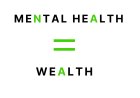
MENTAL HEALTH DAY: WHEN AND HOW TO TAKE IT
 Mental Health Vibe

In today’s fast-paced world where productivity is often prioritized over well-being, taking a mental health day has become an essential practice for maintaining emotional and psychological balance. Most of us are familiar with taking a sick day when we are physically unwell, but mental health days are often overlooked and/or misunderstood. Taking a day off to rest and recharge mentally and emotionally can have significant benefits for your well-being.
A mental health day is a necessity for anyone feeling overwhelmed, stressed or emotionally drained. This day can be taken as a sick off and/or as part of your leave days. It is a day where you solely focus on relieving stress, relaxing, having fun, and preventing burnout.
As humans, we experience stress at some point and while sometimes we can manage the stress, there are times where it can start to feel heavy and draining. Therefore, if the stress becomes draining and overwhelming, it is advisable to take a mental health day so that you can reset.
Even though one day may not be able to fully relieve the stress, taking a mental health day off work or school will provide you with a break to pause and regroup thus coming back fresh and with greater energy.
Despite our busy schedule, it is important to take some time for yourself. Taking a Mental Health Day allows you to:
- Clear your mind
- Have fun and do things you enjoy
- Improve your sleep quality
- Reduce stress
- Process your emotions
- Promote relaxation
When to Take a Mental Health Day
Recognizing when you need a mental health day is crucial. Some signs that indicate that you may need a mental health day to step back and recharge include:
- You are feeling overwhelmed
- Constant stress, anxiety or feeling like you are drowning in responsibilities are clear indicators that you need to take a pause.
- If you are struggling to focus or make decisions, it is a sign that your mind needs some rest.
- You are physically exhausted
- Mental and physical health are deeply connected. If you are feeling fatigued, experiencing headaches or having trouble sleeping, your body is signaling you that it is time to slow down.
- You are emotionally drained
- Feeling irritable, sad or emotionally numb can be a sign of burnout. A mental health day can help you reconnect with your emotions and regain perspective.
- You are struggling with productivity
- If you are spending hours at work or school but accomplishing very little, this is a sign that your mental energy is depleted. A day off can help you reset and return with renewed focus.
- You are neglecting self-care
- If you have been skipping meals, neglecting exercise or avoiding activities that you once enjoyed, it is time to prioritize yourself.
How to Take a Mental Health Day
Taking a mental health day is not just about staying home but intentionally using the time to recharge. Here is how to make the most of your mental health day:
- Plan Ahead (If Possible)
- If you can, schedule your mental health day in advance. Inform your employer, teachers, or family members that you will be taking a day off to focus on your well-being.
- If an unplanned day is needed, do not feel guilty. Mental health is just as important as physical health.
- Disconnect from Work
- Avoid checking emails, taking work calls or engaging in work-related tasks. Set boundaries to ensure your day is truly restful.
- Prioritize Rest
- Sleep in, take naps or simply relax. Rest is one of the most effective ways to recharge your mind and body.
- Engage in Activities That Bring You Joy
- Spend time doing things you love, whether it is reading, painting, gardening or watching your favorite movie.
- Engage in hobbies that help you feel present and fulfilled.
- Practice Mindfulness and Self-Reflection
- Use the day to check in with yourself. Journaling, meditation or simply sitting quietly can help you process your emotions and gain clarity.
- Move Your Body
- Gentle exercise like yoga, stretching or taking a walk in nature can boost your mood and reduce stress.
- Nourish Your Body
- Eat balanced meals, stay hydrated, and avoid overindulging in unhealthy foods. Proper nutrition supports both physical and mental health.
- Seek Connection (If You Need It)
- If you are feeling lonely, reach out to a trusted friend or family member. Sometimes sharing your feelings can be incredibly healing.
Mental health days are not a sign of weakness rather a proactive step toward maintaining your overall well-being. By recognizing when you need a break and using the time intentionally, you can return to your daily life feeling refreshed, focused, and emotionally balanced.
Remember, taking care of your mental health is just as important as taking care of your physical health. So, the next time you feel overwhelmed, give yourself permission to pause, recharge, and prioritize your well-being.
Lots of Love,
Marylyn Ochillo